Being a manager in a restaurant, or in any hospitality business, is a constant juggling act. From supervising staff to heading business operations, it can be a struggle to keep up. So that ‘s why January’s Hacks Series is all about management tips and tricks. To kick it off, we’re sharing our list of the best apps, online tools, and digital solutions to help streamline your management processes.
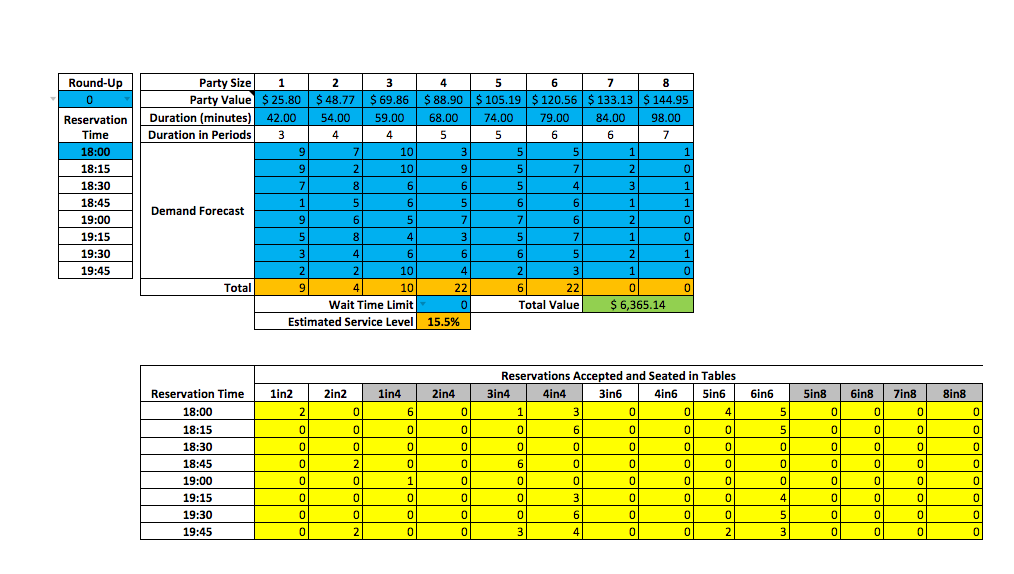
Number of reservations by party size and seating arrangement by table size
Cost: Free
The tool from the Center for Hospitality Research (CHR) allows restaurant operators and managers to optimize their reservations and seating by inputting key parameters into a Microsoft Excel spreadsheet, then using the Solver add-in to view the outputs. The tool’s creator, Gary Thompson, explains that it does so by determining the “best mix of tables in a restaurant, while simultaneously determining which reservations should be accepted from forecasted demand.” The inputs include party size, table size and number, average dining time, and average revenue by party size as well as the degree to which to inflate the amount of time guests will be seated at a table, termed the ‘Round-Up’.
The full description and instructions document depicts the components of the tool and explains how to use the tool by presenting a practical example of table mix optimization for two nights. The tool is provided by CHR free of charge and can be downloaded here.
Maintain an online guestbook to track diner contact info, food preferences, allergies, and more
Available for iPad
Cost: Free trial; $99/month
It should be no surprise that Yelp, an industry leader, has developed a restaurant management tool. SeatMe is an advance management system for your front-of-house needs, allowing you to take online reservations, manage seating, keep track of available tables, and even text waiting patrons when their tables are ready.
Enable ordering on your restaurant website, from you Facebook page, or from within the ChowNow app
Available online or for iOS and Android
Cost: Free Basic Account; Pro Account from $8.99/month
Online ordering goes fancy with ChowNow, a handy app that gives foodies access to your menu via your own website, Facebook page, or the ChowNow mobile app. Allow diners to customize their orders, so your kitchen knows just what to make, and check out online – orders are beamed straight to your restaurant’s main tablet, where employees can check and complete the order, and finally notify patrons when their orders will be ready.
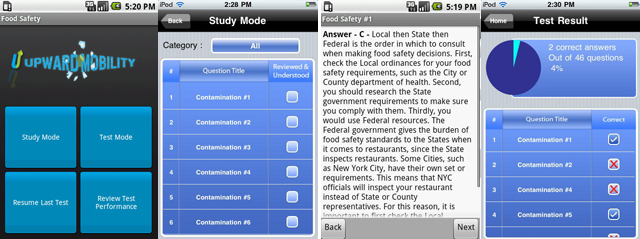
Hundreds of questions cover requirements from the ServSafe Food Protection Manager Certification Examination, the American Food Safety Institute (AFSI) Food Manager Certification (FMC) exam, and the National Registry of Food Safety Professionals (NRFSP) Certified Food Safety Professional examination
Choose study mode or test mode
Available online or for iOS, Android, Blackberry, and Palm
Cost: $3.99
The Food Safety Exam Prep app from Upward Mobility offers the most comprehensive food prep information, health requirements, and U.S. safety standards of any mobile app. The test module is perfect for keeping your kitchen current on safety standards, and will help anyone prepare for certification or re-certification.
Built-in extras include a barcode scanner, multiple currency support, database backup and restore, password protection, and auto-default values
Filter by item, category, company, location, supplier/client, payment and shipment
Available for Android
Cost: $5.99
For simple inventory tracking – and streamlined bookkeeping and tax reporting – Inventory Tracker delivers with an easy-to-use solution. The handy app makes it easy to track your restaurant inventory, sales, revenues and balance sheet – daily, weekly, monthly and yearly. Create reports and transfer data to spreadsheet format.
Wine pairing, not to mention keeping track of an extensive wine cellar, is one of the most challenging and rewarding parts of the restaurant business, especially without a Sommelier. Enter Uncorkd, an iPad-based wine menu that also keeps track of your wine inventory. Customers can get a comprehensive view of your restaurant’s wine menu including a bottle’s origin, vintage and recommended pairings, while you can easily track inventory.
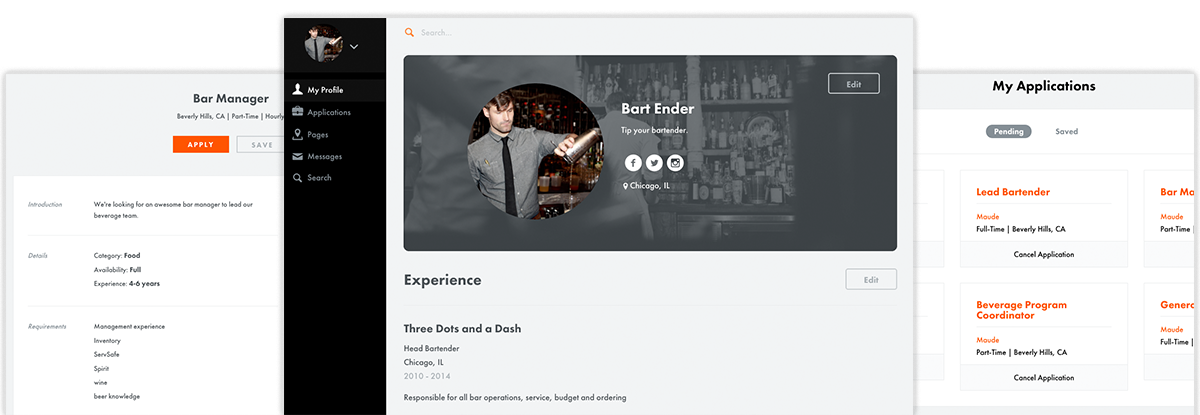
Publicly accessible business pages that display open jobs
Multi-admin business accounts
Re-usable job listings
Applicant tracking system
Messaging hub
Cost: Free for the moment
Sirvo helps businesses in the hospitality industry hire by connecting employers and job seekers on a platform that simplifies the hiring process, from posting jobs to reviewing applications. With Sirvo, you don’t have to worry about your job listings getting buried under more recent postings because your business page acts as your own hosted careers site. This makes advertising positions easier on you and finding jobs easier on professionals. Plus, you can invite admins to help manage your business page, search and message candidates, and organize applicants using the applicant tracking system.
WorkBright provides businesses that need to onboard new employees rapidly with paperless HR. By reducing the time it takes to collect and process new hire forms and automating the tedious workflows and data entry involved in onboarding new employees, WorkBright virtually eliminates the hiring costs associated with dotting the i’s and crossing the t’s. Plus, WorkBright ensures that your HR files are compliant, organized, and easily-accessible.
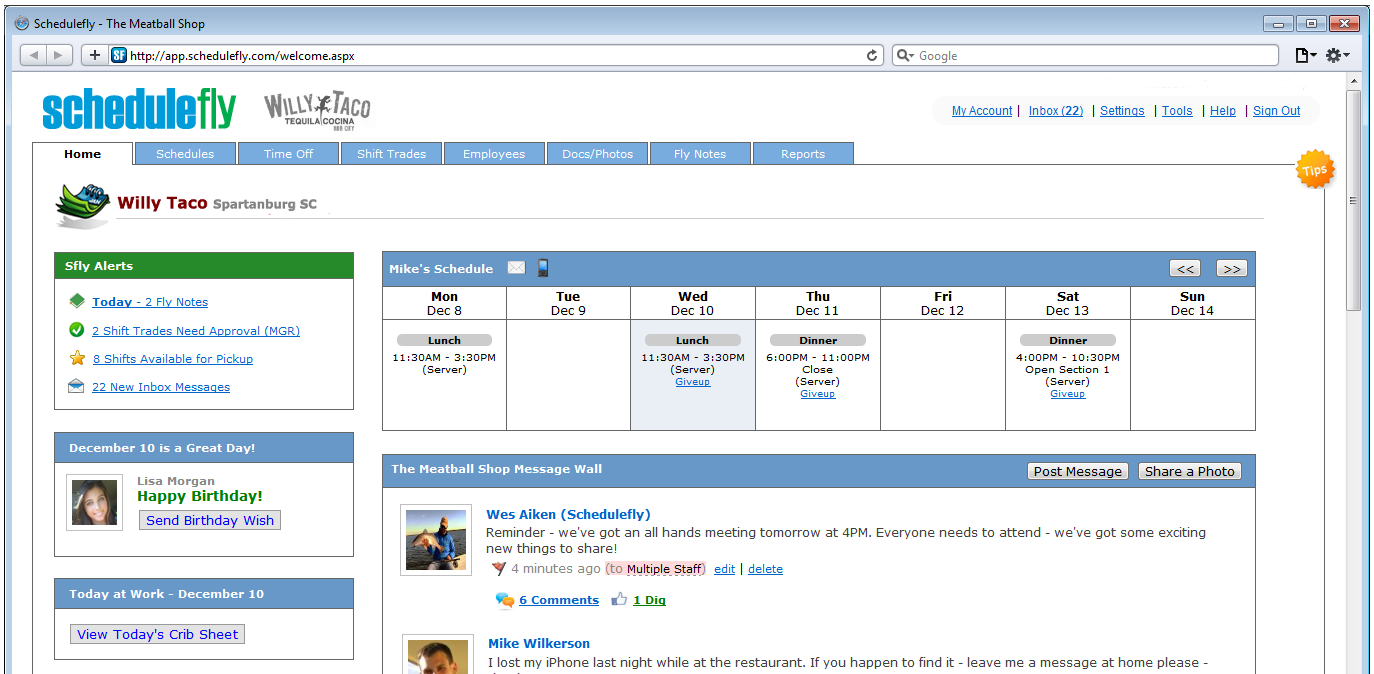
Digital access to staff schedule, from anywhere at anytime
Forecast labor costs with an as-you-schedule dollar tally
Available online from any computer or mobile device
Cost: Free trial; Accounts from $19/month
The purpose of ScheduleFly is to make restaurant staff scheduling easier by simplifying communications between you and your employees. The app turns any mobile device or computer into your communications central: post time schedules, your employees can request shift changes, and you can all coordinate on time off. Best of all, the app makes it easy to avoid costly overtime and forecast labor costs.
Manage your social presence across sites, from one platform
Log on once to schedule posts throughout the day, week or month
Available online or for iOS and Android
Cost: Free Basic Account; Pro Account from $8.99/month
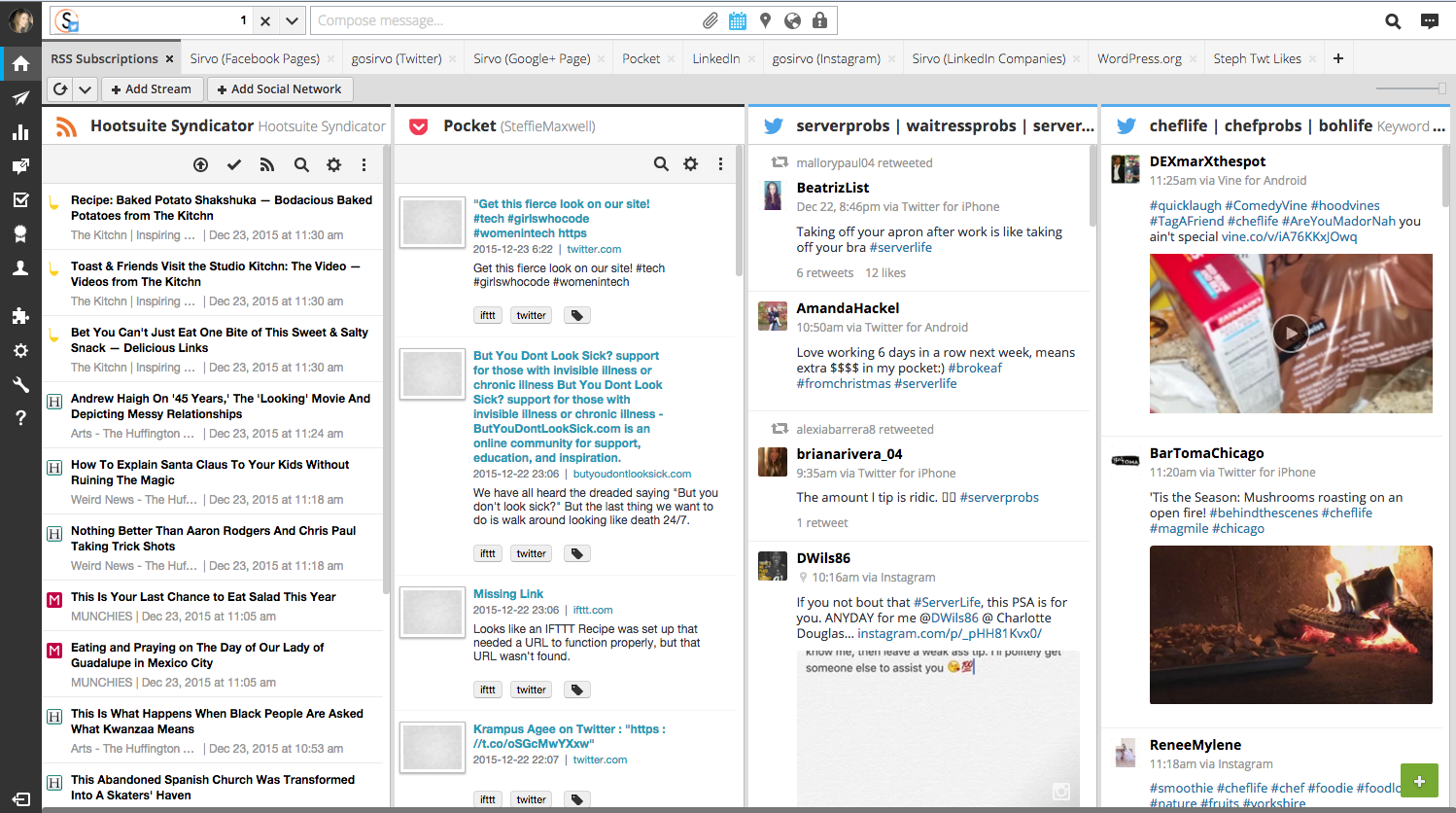
Chances are, your restaurant has gone social and chances are, all that required networking is overwhelming. HootSuite steps in with a simple tool that makes it easy to manage all your social networks, scheduling posts and cross-publishing photos, status updates, and more to multiple social sites. Integrated social profiles include Facebook, Twitter, FourSquare, LinkedIn, Google+ Pages, and others.
Magic resize to automatically create images for all social media platforms (instagram, twitter, google+, etc.)
Cost: Free Basic Account; Canva for Work $119.40/year, $12.95/month
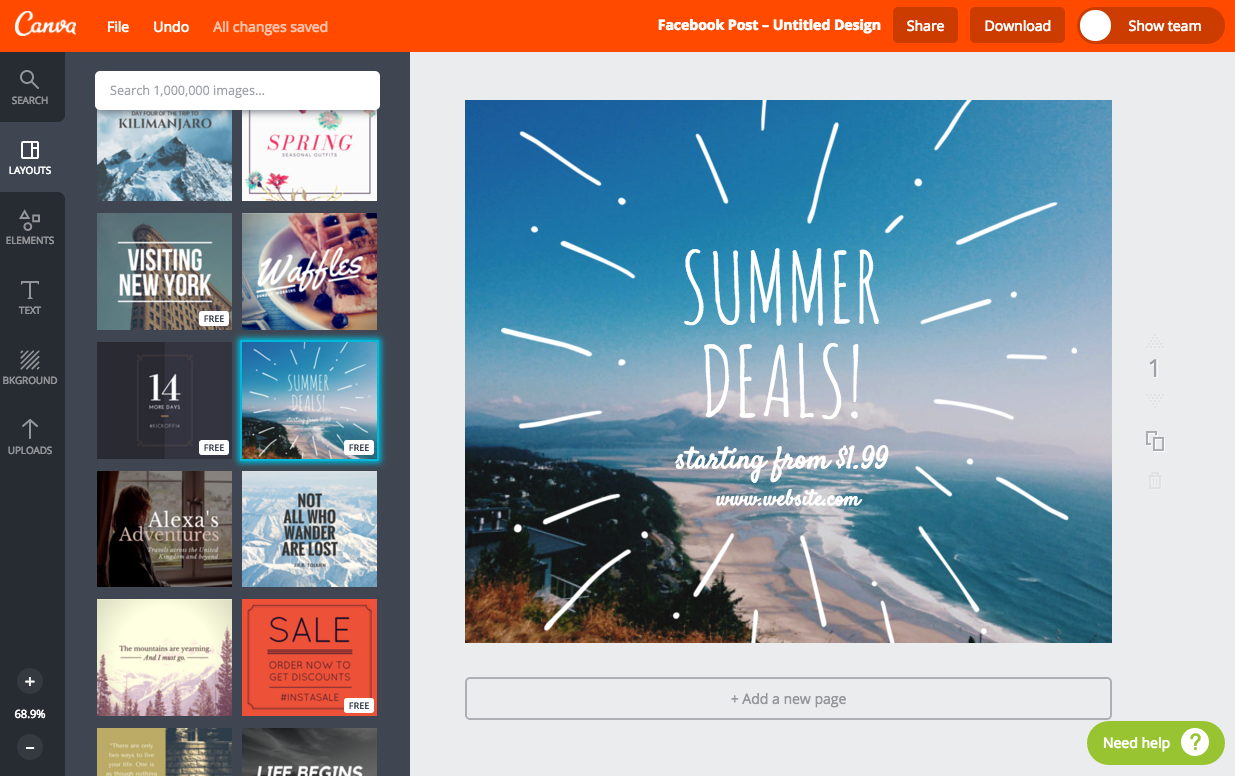
Canva makes designing graphics for social media, presentations, posters, and more exceptionally easy. Included are tons of different layouts to get your design started that are available in pre-set dimensions (for social media) as well as in custom dimensions. Build your designs with Canva’s integrated images, icons and shapes, backgrounds, fonts, and photo filters, many of which are free. Plus, you can upload your own images!
To help businesses produce on-brand marketing materials, Canva recently introduced Canva for Work, which allows teams to collaborate, save brand colors, logos, and fonts, and build their own templates. Also included is automated resizing for various social media images sizes.
Fishbowl is not new and is an industry standard, but we wanted to include it anyway because it should definitely be in you business tool repertoire. With several analytics-based solutions available, Fishbowl focusses on helping restaurants optimize their marketing, strategy, and revenue management. From measuring dining behavior and defining target segments to analyzing and optimizing digital marketing efforts, Fishbowl will help maximize your marketing returns.
Integrating digital solutions and apps in your management practices will not only increase efficiency but also improve your processes and save your business money, so take a few minutes to check out your options! Coming up next are tips on business operations, so be sure to check back in.
While some trends that found footing in 2015 will continue to grow in popularity, 2016 will also bring about new concepts and focusses.
1. Chef-casual
As Americans’ appetite for casual dining shows no signs of waning, savvy upscale operators will implement a high-low strategy. We saw this trend emerge (Marcus Sammuelsson’s StreetbirdNYC, Richard Blais’s FLIP Burger, Rick Bayless’s Xoco) and 2016 will only bring more examples.
In a risky act of foodservice subversiveness, well-known L.A. chef Roy Choi and Daniel Patterson of Coi and Alta in San Francisco are taking on the fast food giants where they’re most in demand—the inner cities of places like San Francisco, L.A. and Detroit. Their fast food concept, LocoL, is looking to disrupt Big Fast Food with a cleaner and healthier alternative.
2. Chef’s Choice
Tasting menus are alive and well at many top restaurants, and will continue to be in the next year. While some offer the full experience alongside an a la carte or prix-fixe option, several offer only a tasting menu or don’t even print a menu at all (Ronny Emberg’s Atera). All of these trends reflect diners’ desire for a more chef-curated experience.
3. Cool Bowls
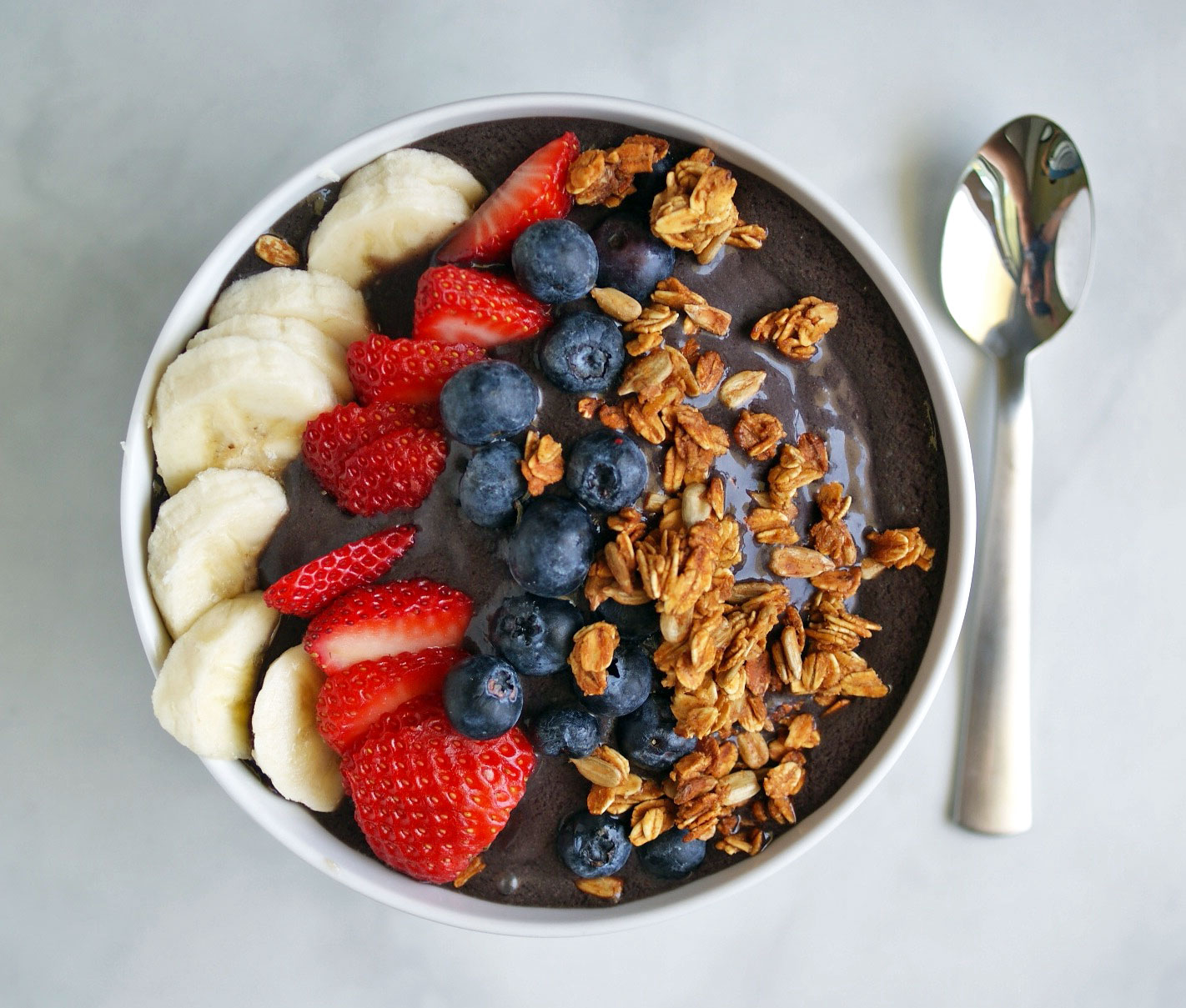
Bowl foods will show up on more menus. Heard of Acai bowls? They’re the new smoothie, according to consultants and trend watchers Baum + Whiteman in their annual trends report. Acai bowls start with frozen pulp from the superfruit, thinned out to a scoopable texture with milk (usually soy), and finished with fruit, granola, chia seeds, coconut flakes, peanut butter or other toppings. Like the one above from Jugos in Boston, they menu for about $10.
Poke bowls are next on the raw fish front. Cubed ahi tuna or other fish is marinated in a bolder, more savory sauce than its ceviche cousin and served over seaweed-seasoned rice. The Hawaiian dish is all over L.A. and is also popping up in Boston, New York and Salt Lake City.
4. Food Halls
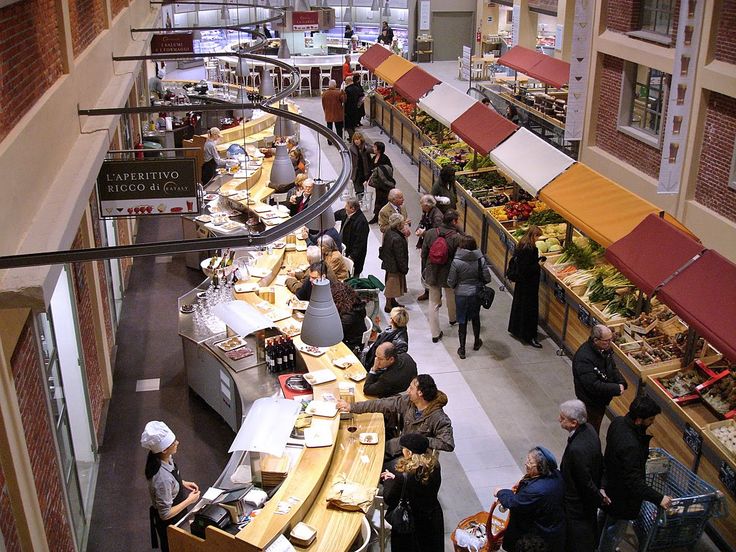
The U.S. got its first taste of the modern iteration of the food hall in 2010 when Mario Batali and Joe Bastianich launched Eataly in New York. Influenced by European markets, today’s food halls are showcases for local restaurant operators, food artisans and other purveyors.
2015 saw a food hall boom, and more will join their ranks in 2016. Often housed in repurposed urban spaces, and featuring attractive communal dining spaces, these elevated offspring of the 1970s food court are a stylish, social and convenient way to eat and shop. Some developers have even seen fit to include short-term incubator spaces for emerging concepts (Avanti, Denver; 4th Street Market, Santa Ana, CA.)
Other food halls in development include:
Anthony Bourdain’s yet-unnamed 155,000-sq.-ft. food hall at Pier 57, lower Manhattan. Once completed in 2017, the “chaotic, in a good way…Asian night market,” as the No Reservations star has described it, will be New York’s largest food hall.
James Beard Public Market, Portland, OR, is named for the culinary icon born there. The indoor-outdoor waterfront space will be served by 90 vendor stalls.
The Marketplace at the National, Chicago: On the ground floor of a historic 1907 building, with 10 stalls featuring “many of Chicago’s most respected chefs and restaurant groups.”
Detroit Ship Yard, 10,000 square feet of restaurant, retail and gallery space in repurposed shipping containers.
The Hall at 400 Fairview, located in a new suburban Seattle office tower promises the “spirit and energy of an open-air market.”
5. Sister Farms & Onsite Gardens
“Farm-to-table” dining is so ubiquitous now that restaurants don’t need to tout it. But many of the best are taking the concept to the next level, using their own gardens and farms to produce ingredients for the kitchen. The French Laundry is famous for its bountiful kitchen garden, while Arethusa al Tavolo was born out of Arethusa Farm — chefs and growers are more connected than ever.
6. Snacks and blurred dayparts
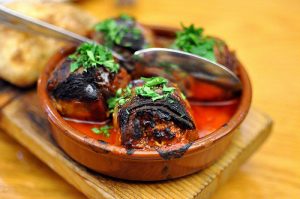
Make room on your menu for snacks as customers continue to want customizable experiences and something to nosh whenever the craving hits. Increasingly, guests are looking for snacks that deliver protein and other nutrients. The ideal snack combines sweetness with salty, spicy or smoky flavors. The chorizo-stuffed dates at Paul Kahan’s Avec in Chicago are a perfect example.
Here are some more:
At The Violet Hour cocktail lounge in Chicago, snacks include roasted nuts with cayenne, paprika, sugar and oregano; and a truffled ricotta tartine of toasted rye bread topped with ricotta, truffle oil, herbs, honey and arugula.
At Bryant Ng’s Cassia in L.A.: Kaya (coconut jam)-filled toast made from brioche and served with a slow-cooked egg.
At Sambar in L.A.: Chicken wings finished with Malabar hot sauce and summer fruit chutney.
7. Southern roots
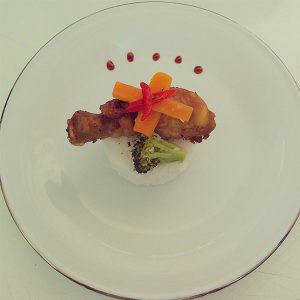
2016 will embrace the South and its ultimate culinary icon, fried chicken—a carryover trend of the last few years that’s showing no signs of fatigue.
In fact, the experts at Baum + Whiteman have called 2016 “the year of fried chicken.” The dish not only crosses geographical lines, but the dining spectrum as well. A host of startup and independent fast casual chicken concepts (including David Chang’s Fuku, a fried chicken sandwich shop in NYC, and Danny Meyer’s Chicken Shack) will expand and give the chicken chains a run for their money.
8. Vegtables are still stars
As Restaurant Hospitality predicted last year, vegetables will still be center stage in restaurant dishes in 2016, often taking center-of-the-plate roles and pushing protein over to the side.
Consumers seeking more antioxidants and fewer hormones, rising beef prices, and vegetables’ seasonal nature and variations are driving this trend. The radish plate at Vedge in Philadelphia, for instance, features eight different varieties of the vegetable, prepared in eight different ways.
Vegetable-forward eating is shedding its earthy-crunchy rep and associations with odd meat substitutes. Hearty cauliflower or portobello steaks aren’t trying to be something they’re not. They’re out and proud because chefs are making them delicious and satisfying. Watch for the “root to stem” movement (similar to the zero-waste, nose-to-tail movement) to gain traction, says Baum + Whiteman.
So what does 2016 have in store for restaurants: a more casual and community focus, lots of vegetables and fried chicken, chef-centered menus.
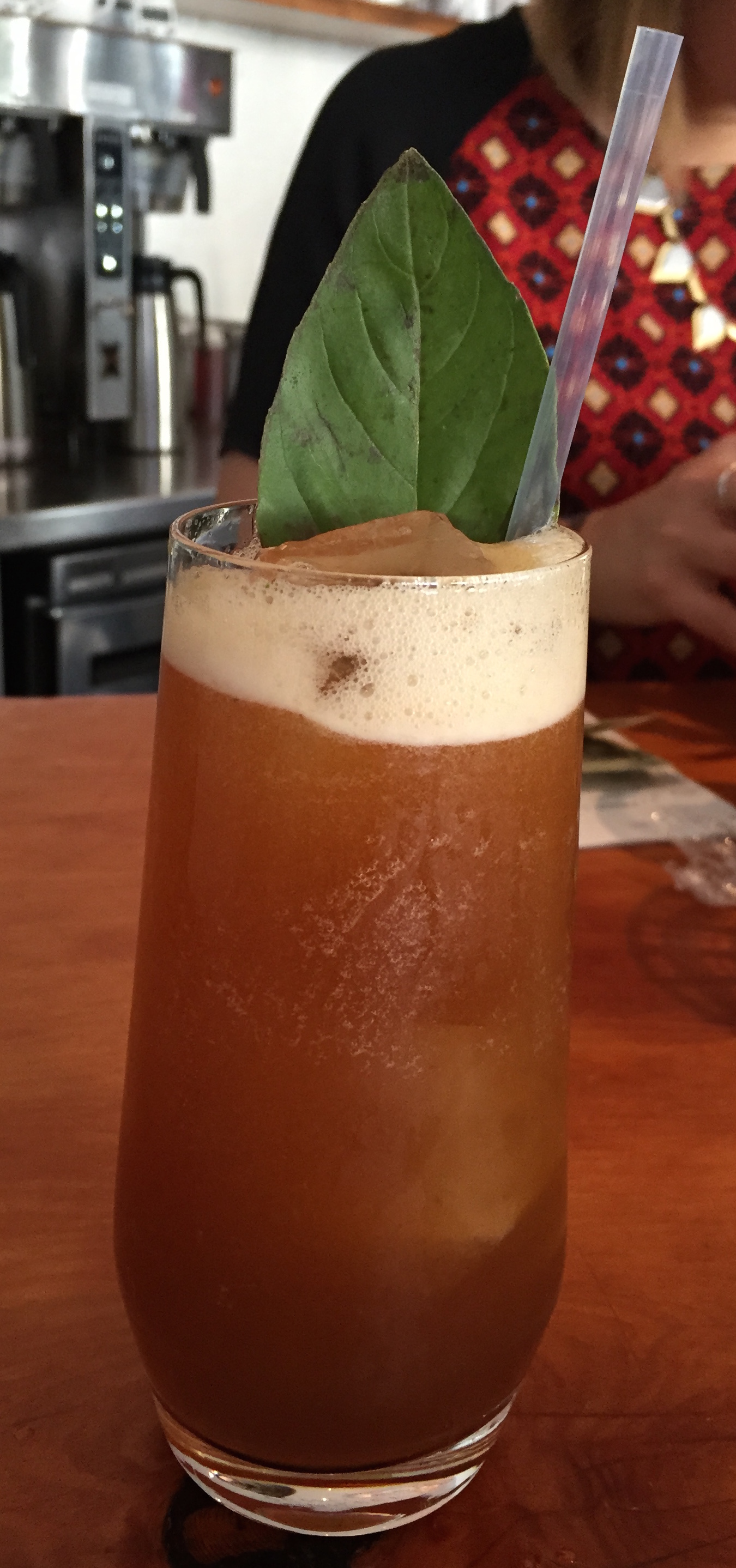
As an addition to our interview with Dustin Lawlor, head bartender at The Kitchen, here’s the recipe for his craft cocktail ‘Las Vegas Turnaround’. This bourbon-based drink with lemon, basil, and ginger ale is a refreshing cocktail with vibrant flavors that is guaranteed to satisfy!
We sat down with Dustin Lawlor, Head Bartender at The Kitchen Denver, one of Denver’s most popular restaurants, to talk bartending, how he’s found success, and get his take on the transformation underway in and around this booming city. Check out what this industry heavy-weight had to say.
How did you get started in the industry?
Anika Zappe, Sean Kenyon and Matty Clark are the three that gave me my first chances to step behind the bar and I have learned different things from each of them and from the bars that they work/worked behind at the time.
Anika gave me my first chance to actually work with her behind the bar at Root Down and she taught me so much about classic cocktails and technique. I used to sit at Sean’s bar at Stueben’s and then later at Squeaky Bean. He is like an encyclopedia of knowledge. I love sitting at his bar still and always learn a few things. I bar-backed for him briefly as well. He set up a study group for everyone when BarSmarts did their Denver advanced certification and that was a big help to a lot of us.
Matty Clark now owns the Hi-Dive. When I met him he worked at Sputnik and Lost Lake Lounge as well. I started picking up shifts with him at Lost Lake when he was the bar manager there and he helped me learn to work a dive bar effectively. I worked Sundays usually by myself from start to finish. That was a daunting task as young bartender and I don’t know if I could have done it without his help.
Everyone getting behind the bar for the first time needs to have a mentor to learn from.
You can learn recipes from a book. You need a bartender to teach you to bartend. It’s something you can’t rush if you want to be good at it. I still pick up little tricks the learning process doesn’t end.
What is your favorite part about your job?
I enjoy the constant change in the restaurant industry. You always hope to have a good base of regulars but, every night is completely different.
Then on the other side, cocktails are constantly changing. Ingredients, cocktails themselves, new spirits… It’s ever changing and I love that.
In your eyes, what is the #1 quality that makes a good bartender?
Passion and a desire to create a perfect guest experience every service. Over everything, to be good at this you have to love to be hospitable. Hospitality should be at the root of every team member’s skill set.
How do you deal with difficult guest situations? Do you have any tricks you use in those situations?
Every case is different when it comes to that. [With inebriated guests], the first defense is not to be the bar or bartender who over serves them. If they walk in the front door intoxicated, I usually try to get to them before they have a chance to sit down. Communicating with my team so no one else serves them is also key.
Being honest, kind and discreet with a guest who has had one too many is always the first step. The last thing I want to do is embarrass or “call out” a guest who drank too much. Most of us have been drunk. There is no reason to make someone feel like an idiot for over indulging. It just escalates the situation. If they have a sober friend with them, I will enlist their help to get them home safely.
How do you try to connect with your guests?
As far as connecting with guests the biggest thing is listening. One guest may want to talk and know everything that’s going on behind the bar etc. another guest may have had an awful day and just wants his Steak and his scotch and no conversation.
The best tool you can have in your arsenal is being able to assess the needs of your guest.
The faster you can do this the better. Having a server or bartender know how to handle your experience without having to explain it is what separates good service from excellent service in my eyes.
What are some tricks to maximize your efficiency behind the bar?
When it comes to bartending, I think the biggest efficiency trick is putting bottles back in the same place every single time. Using muscle memory when you are very busy and not having to race around to find bottles is my biggest time saver. Organization and cleanliness are bartender’s friends on a busy night.
Is there a particularly crazy story that’s happened to you while working?
There is a lot I could put here. But, I had a guest throw an old fashioned glass at another guest. It missed his target but hit the bar and shattered. A shard of that flew up and cut another guests neck that was sitting near the guy he intended to hit.
It was nothing life threatening, but it happened very fast and everyone heard and saw it and the whole place went crazy. The two parties’ friends got them both out of the bar without further incident. It was touch and go for a few minutes, though. Thankfully no one was seriously injured.
What do you feel makes Denver and Boulder unique in the food and beverage industry?
We are a “bigger” city and we continue to grow in Denver. But, we aren’t and hopefully never will be a “big” city like San Francisco, New York or Chicago.
I think our size is currently our greatest asset.
We are big enough to keep things exciting but, small enough that chances are my bartenders and I know someone working behind the bar at your next stop.
How do you feel the rising population in Colorado will affect the industry?
Overall I think it will be for the better. The more talent in the city the better. It makes everyone step up their game. The hard part is on the hiring side of things. Finding people who actually love this and want to do it for a living isn’t always easy.
What are some of your favorite watering holes around town?
In today’s restaurant and bar scene, with both fancy ice programs and water sommeliers, clearly people have begun to appreciate the finer aspects of H20’s role behind the bar or at the dinner table. But, water plays an even bigger role elsewhere, before it’s ever frozen into those perfectly aesthetic, slow-melting ice spheres, or bottled up for exorbitantly priced sales all on its own. Water sources, and their unique and distinctive attributes, have a huge impact on the specific flavors and qualities of spirits from around the world.
Water & Whiskey
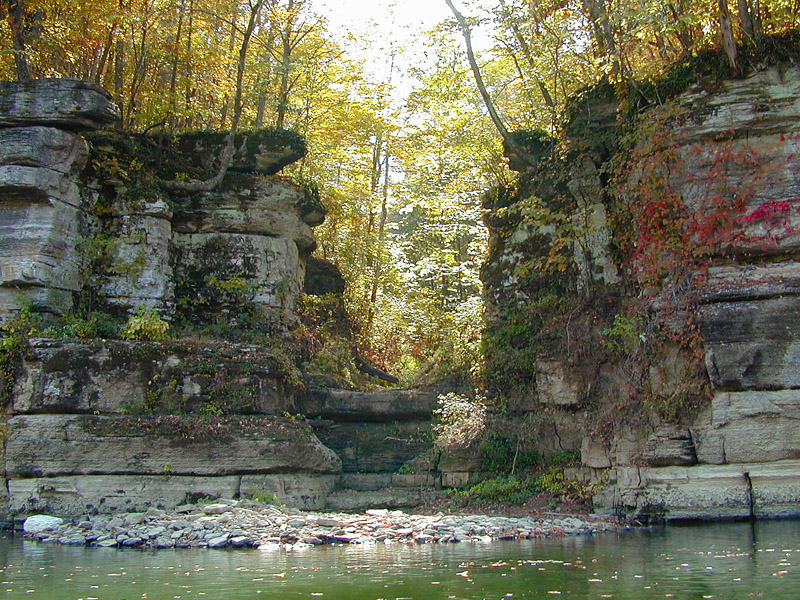
A great place to begin a global journey in search of the importance of water sources for spirits is in Kentucky. While the development of the burgeoning whiskey industry in Kentucky hundreds of years ago had more to do with farming, the limestone water is what made the whiskey particularly good to begin with, and what kept the industry rooted there.
“Water sources, and their unique and distinctive attributes, have a huge impact on the specific flavors and qualities of spirits from around the world.”
Kentucky’s limestone water supply provides minerals to the water, filters out certain undesirable compounds, and also affects pH levels, which plays a key role in the distillation process. Step into any distillery in Kentucky and “limestone” will be a prominent player in that particular brand’s story.
As it is with New York’s bagels and pizza crusts, Kentucky’s whiskey is imbued with minerals from local water that affect, and improve, the end product. Meanwhile, some of the best bourbon made outside of Kentucky hails from locales touting limestone water supplies.
Limestone quarry in Jessamine County, KY
In Japan, Suntory Whisky, which produces the Yamazaki, Hakushu and Hibiki brands, takes their relationship and balance with nature quite seriously across all fronts. This includes with their water sources, both of which were designated by the Japanese Ministry of Environment as among the “most precious” water sources in the country.
Suntory calls their water sources “soulplaces” for the brand, referring to the concept in Japanese culture of a dwelling that becomes a source of spiritual inspiration. The brand explains:
“Water, with its purity, has always been the representative elemental force for Suntory soulplaces.”
The Japanese whisky giant seeks to embody balance and harmony between “the art of Japanese nature” and “the art of Japanese people” to create their tagline, “The Art of Japanese Whisky.” A pure water source is an integral component of that equation.
Elsewhere in the whiskey industry, in Scotland, water is actually the source of one popular misconception about Scotch-namely how it’s peated. Peaty flavors do not come from water which flows through or comes into contact with peat, bur rather is the result of using peat smoke to dry barley.
Clear Spirits
Water quality and purity is even more important for spirits other than whiskey, where barrels and the aging process may account for upwards of 60 percent of the whiskey’s final character. Vodka, for instance, has no such helpers along the way to producing a desirable flavor profile.
“For us, the biggest piece is water,” explains Chris Doyle, Finlandia Vodka brand manager at Brown-Forman. “It’s the number one ingredient with vodka.”
Finlandia’s water source is pure glacial spring water which has been naturally filtered through moraine sand deposits that resulted from the end of the Ice Age.
This process allows the company to forgo modern purification systems such as deionization or osmosis, and offers their vodka a signature quality.
Maintaining water purity not only in the brand’s home of Finland, but across the globe, has become a priority for Finlandia. They donate one percent of all U.S. sales to water-centric environmental nonprofits in conjunction with the 1% For The Planet association.
Finlandia also just released a video documentary series, Journey From the Source, highlighting unique water adventurers while seeking to raise awareness for the importance of preserving pure water sources, such as the one they depend upon for their product.
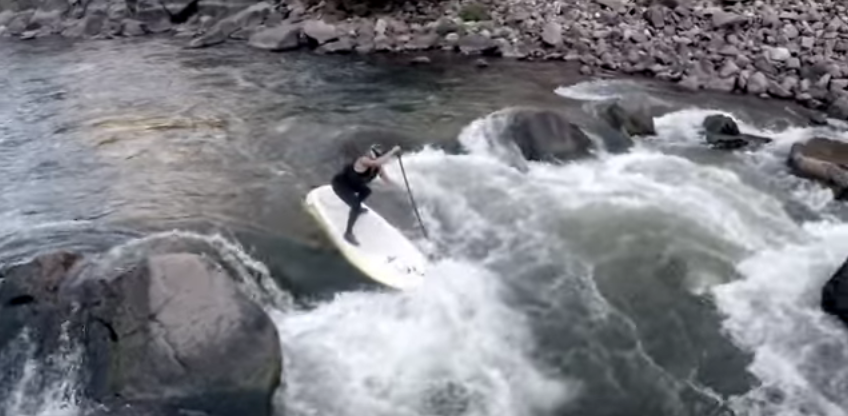
Extreme paddleboarding in ‘Journey From The Source’
“Our partners are about keeping water clean,” explains Doyle. It’s not only for vodka’s sake, though, “But keeping water clean environmentally, and also so you can go out and enjoy it, and do cool stuff in it.”
Martin Miller’s Gin is another clear-spirit brand which places a premium on the purity of its water. After distillation, they proof their gin down with pure spring water from Borgarnes, Iceland.
The water they use there is said to naturally have 8 to 30 parts per million of dissolved solids, comparative to leading bottled water brands at about 300 to 400 parts per million, making it at least 10 times purer based on that measure.
Borgarnes water also has a particularly high surface tension, which the brand explains works by “inhibiting evaporation of the volatiles that want to escape quickly -the aromas, the bouquet.”
Therefore, their gin is touted as having a softer nose, to go along with a distinctive flavor profile, and a delicate mouthfeel. It hides more of the alcohol’s heat and showcases more of the herbal flavors.
Water Purification at the Bar
Back behind the bar, controlling the specific taste of water remains important. This includes ice used in drinks, whether it’s part of an “ice program” or not. Anybody who has ever had an at-home batch of ice go bad because, who knows what was stinking up the space next to it in the freezer, can understand that controlling the flavor of ice itself is important.
Further, bars who regularly produce their own syrups and other ingredients want more control over the water they’re using. For instance, at DC Harvest in Washington, D.C., bar manager Matthew Fisk filters the District’s notoriously funky-tasting tap water, and then adds in his own preferred levels of minerals to ensure he’s getting the perfect result from his ingredients.
If he’s considering every other factor and carefully fine-tuning his recipes, why wouldn’t he also want exacting power over the water itself?
Across town at Jack Rose Dining Saloon, the entire three-story building has a water purification system in place. Therefore, when imbibers carefully add a touch of water from an eye dropper to a dram of whiskey, one is accurately opening up the spirit’s aromas, not mucking them up with tap water.
From Suntory’s soulplaces to Finlandia’s glacial springs, Kentucky’s limestone and beyond, don’t overlook the role of water in the spirits and cocktails you love.